Set the rules in the first ninety days, or don't bother
Month two: someone sent from HQ files a family plane ticket with business travel and finance lets it through. Month four: a local salesperson promises a customer a discount without approval. Month six: everyone knows that expenses are a little loose here and promises can be made first and cleared later. Nobody announced any of this in a meeting. It simply became how things are done.
One experiment shows quite bluntly how rules form in a new entity, and how they collapse.
Breaking spreads. Following doesn't.
In October 2026 Lucas Molleman's team at the University of Amsterdam published an online experiment in Proceedings of the Royal Society B. 750 US participants, roughly half Democrats and half Republicans. The task was to pick the brightest square in a row of 100. The catch was that the brightest square sat in the middle, while squares further right paid more. Choosing right meant bending the rule for money.
With no social cues, about 23% picked the far right. Then participants were shown other people's choices. Seeing someone honestly pick the middle changed almost nothing. Seeing someone from their own party pick the far right pushed their own far-right choices to nearly 40%. A little over 4% went further than the person they had watched. Simulations that followed showed that with enough steadfast rule-followers in a group, the group settles at a moderate level. Without enough, it slides right.
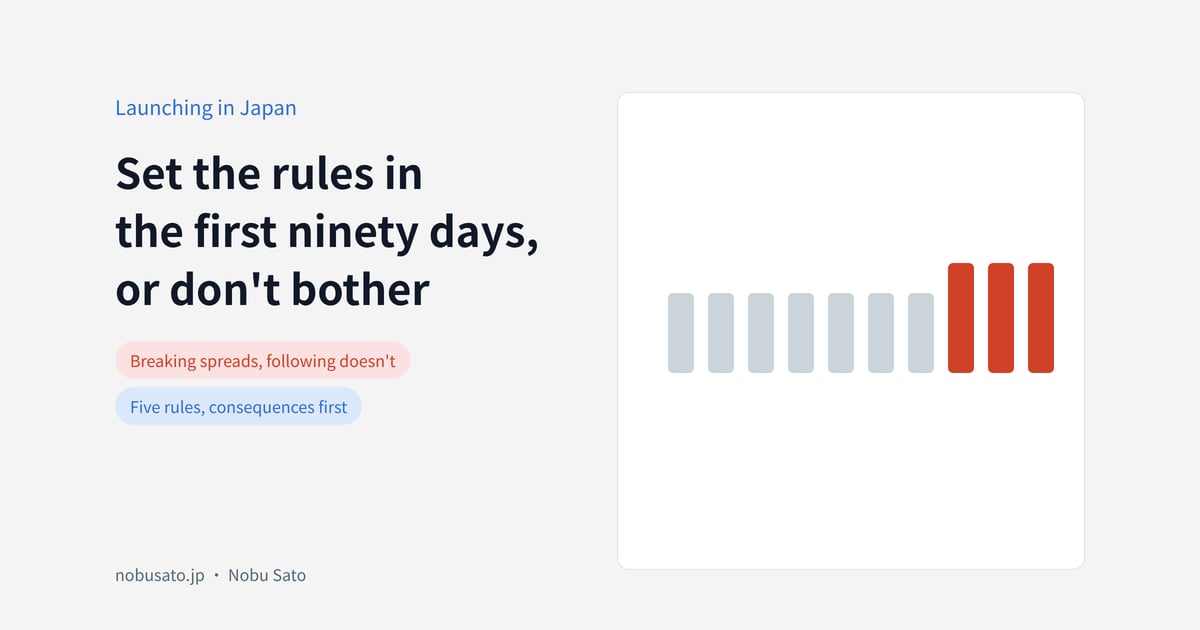
Fig.1Breaking is copied when seen; following is not. The experiment had no penalties, which is also the state of a new entity's first months.
Limits first. This is an online experiment on Americans, run a week before the 2024 presidential election, with political identity deliberately amplified. More important, rule-breaking in the experiment had no consequence. There was no penalty, and nobody had to face colleagues afterward. The critics are right that real life has guardrails. But the first months of a new entity are exactly when the guardrails are fewest. No history, nobody knows how things are done here, nobody reads HQ's policy manual. Those three months resemble the experiment more than I'd like.
The ninety-day window
Two findings apply directly. First, compliance does not spread on its own. Hiring a few honest people does not give you rules, because nobody learns from the fact that they comply. Second, contagion follows identity. People copy rule-breaking by someone on their own side. In a Japan entity, "our side" means first of all the people sent from HQ. Local staff watch them. If HQ's people can file loose expenses and skip approvals, the rules are evidently written for the Japanese.
So there is a narrow window in the first ninety days. Inside it, the cost is tiny. One sentence, one intercepted form. After it closes, what you are changing is something a group has already learned. See The first five people shape the next fifty.
How to set them
Set few. Don't import HQ's two-hundred-page manual. Nobody reads it, and even if they did, it wouldn't register as how we do things here. Pick five or fewer, all of them things that hurt the entity when broken. How money is spent and claimed. Who may make promises to customers. How data and customer records are handled. How working hours are recorded (this is what Japanese labour inspectors check). What the hiring process is. Let the rest grow on its own.
State consequences up front. In the experiment, breaking spread fast because nothing followed. The cheapest guardrail you can add in real life is saying on day one what happens if these five are broken. Said to everyone and aimed at no one, so nobody loses face.
The first breach must be visibly handled. That doesn't mean a public reprimand. It means people can see it was dealt with. Block the expense claim, withdraw the unauthorised discount, and let the person and the people around them know. How you handle the first breach becomes the real rule in everyone's mind, more than any document. The earlier, the cheaper. The first intervention costs almost nothing. The tenth runs into "but everyone does it".
Find your steadfast few. What stabilised the simulated groups was enough people who would not budge. In a five-to-ten-person entity, two or three suffice. They need not be managers. What they need is to hold the line when someone else breaks a rule. Stubbornness isn't the point. They hold because they know the consequence will actually land. When hiring the first few, look at this trait separately, in the spirit of Score the role before the person.
HQ's people comply first. This is the hardest one, and it matters most. Local staff copy the people sent from HQ, and the people sent from HQ often assume the rules are for locals. If the expats cannot keep these five rules, send different expats.
On flexibility
Some will say a startup phase should be flexible and too many rules stop people working. I half agree, which is why it is five. But without those five, flexibility turns into something else. By month three, everyone is acting on their own convenience and finding it natural. Setting rules then means fighting the whole office.
Shorter notes that don't make it into a full article go on LinkedIn. Follow me there.