Don't staff the Japan entity to exactly enough
When HQ approves headcount, the question is always the same: what is the minimum number of people this work needs? Five. So five it is. In month eight one of them resigns. Four people do five people's work while interviewing the replacement. The replacement starts four months later and takes two more to get up to speed. For half a year the Japan entity runs at 70%, and one of the remaining four is wondering whether to leave too.
I think the question itself is wrong. It counts today's work and ignores what happens to tomorrow's people.
Why ant colonies keep lazy ants
Colonies look as if they should maximise output, yet observers have long noted that a fair share of workers sit idle for long stretches. In 2016 a Hokkaido University team led by Eisuke Hasegawa tested one explanation in a simulation. Suppose each worker has a different threshold for responding to a task. Some move at the first sign of work, others only when it piles up. Colonies with varied thresholds persisted longer than colonies where every worker had the same threshold. The reason is plain. Hard workers tire and stop, and the usually idle ones step in. If everyone has the same threshold, everyone tires at once and stops at once.
The authors read it as a trade. You give up some short-term output and get long-term survival. It is a model, not decades of measurement on real colonies, and anyone citing it should say so. Still, it turns something managers already feel into a mechanism. A system at full load has no buffer. And while the system is calm, a buffer looks like waste.
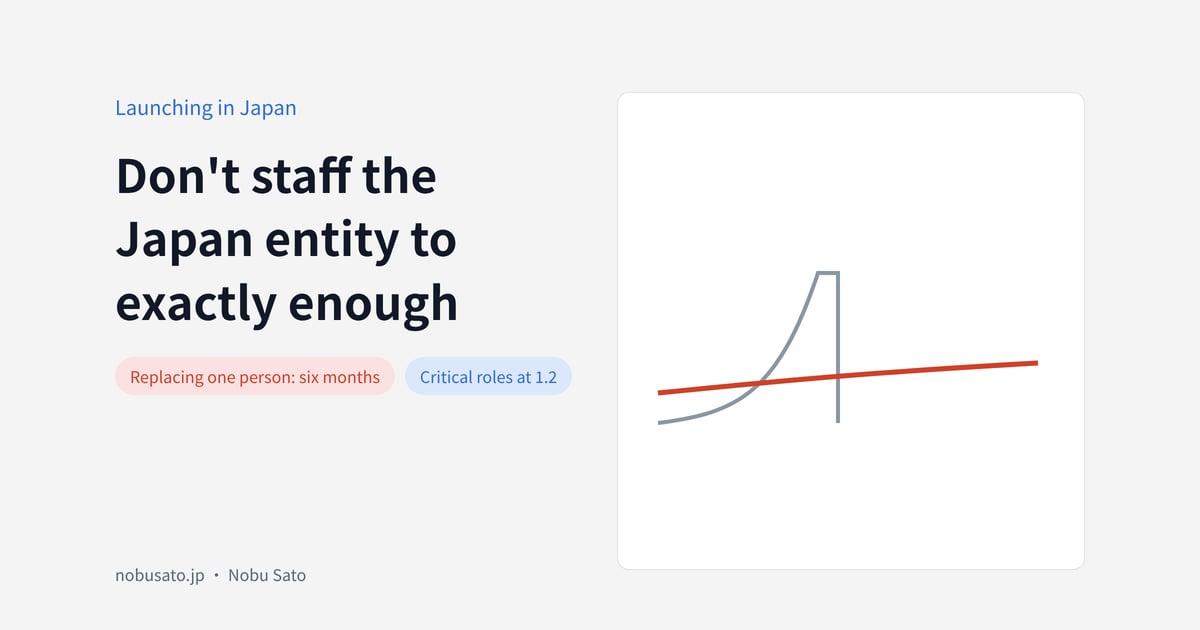
Fig.1A colony at full load produces more in calm times and stops all at once when fatigue arrives. A colony with idle ants produces a little less and never stops.
Japan's time constant
In Japan the buffer problem is sharper, because replacing a person takes so long. Mid-career hiring runs three to six months, plus one or two more for handover if the candidate is employed. From a resignation notice to a replacement who can work alone is at least half a year. The true cost of hiring in Japan counted the money. This is about time, and time is harder to recover than money.
A few other things make exactly enough fragile here. Paid leave is a legal obligation, and employees must take at least five days a year. Maternity and parental leave are common, and paternity leave is rising. Working hours are capped. Even under a 36 agreement, overtime is normally limited to 45 hours a month and 360 a year, so covering a gap with the remaining people's overtime does not last. In a five-person team, one ordinary life event for any one person stops one piece of the work.
What slack looks like
Slack doesn't have to mean an extra salaried person sitting idle. In an entity of five to ten people it comes in cheaper forms.
Staff critical roles at 1.2. Finance, payroll and labour administration, customer support. These are the roles that cause damage when they stop. Buy the extra 0.2 with a part-timer, a dispatch worker, or an outside labour attorney or tax accountant, so the full-timer can take leave, resign or fall ill. Japan's dispatch market and professional-firm layer are deep enough that the 0.2 is available.
Two people able to do everything. Not two people doing it. Two who can. Rotate lead and backup each quarter. Work that attaches itself to one person is an old problem in Japanese offices. When the person goes, the work goes. Two people who can is the cheapest insurance there is.
Spread the thresholds. Like the ants, the team can include someone who moves when work piles up. In calm weeks they do the long-horizon work: process documents, customer data, onboarding new hires. In a crunch they step forward. On a normal month's KPIs this person looks least useful. In the month something breaks, they look most useful.
Don't fill the remaining time. With five people, plan for four people's workload. The spare 20% is not for them to rest. It is held for the system.
How to say it to HQ
HQ's first reaction to 20% slack is to cut it. What works is putting two costs side by side. The cost of slack: 20% of one salary, a few million yen a year. The cost of no slack: every resignation brings six months at 70% output, an agency fee of 30% of salary, and six months of the remaining four people's morale. The second one will almost certainly happen. Japan's mid-career turnover rate is what it is.
The salary saved by staffing to exactly enough comes back out, with interest, at the first resignation. Ants never did this arithmetic, and they outlast the ones who did.
Shorter notes that don't make it into a full article go on LinkedIn. Follow me there.